%20(1).png)
The Marmara Sea: A Vital Gateway Under Threat
Istanbul, Turkey — The Marmara Sea is one of the world’s smallest and busiest seas. Stretching 175 miles long and 50 miles wide, it connects the Black Sea and the Mediterranean through the Bosphorus and Dardanelles straits. Its depth reaches over 4,400 feet, supporting hundreds of marine species.
Known to the ancient Greeks as the Propontis, it later took its modern name from the Greek Marmaron—“marble”—in recognition of the region’s richness. Today, however, the sea’s legacy is being overshadowed by crisis.
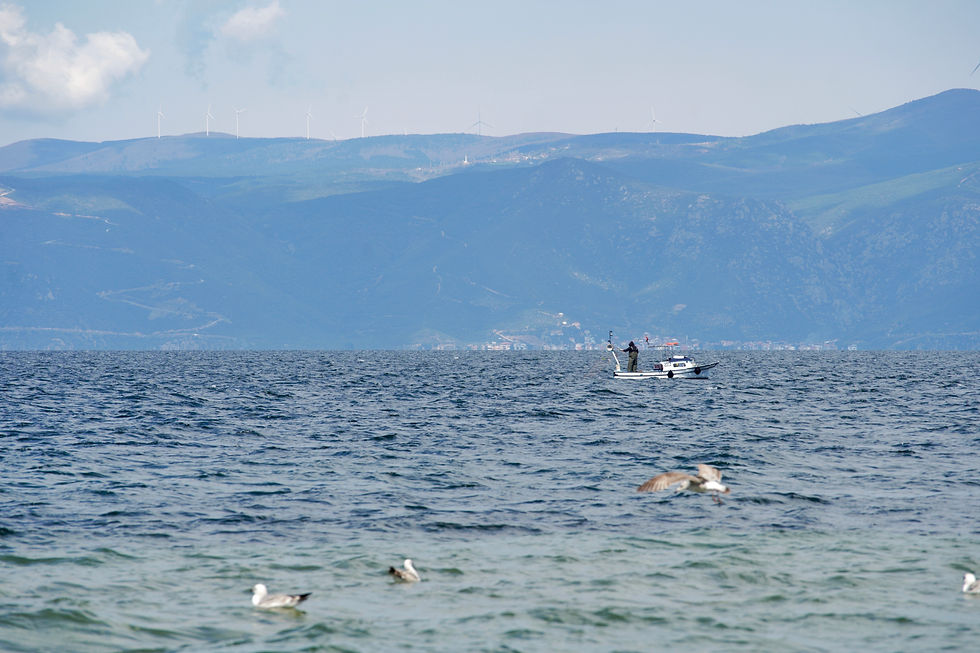
A Sea in Decline
Fish and mussels once consumed daily are now unsafe to eat. Pharmaceutical residues, wastewater, and chemical pollutants are poisoning the waters. Jellyfish populations are exploding, while dolphin species teeter on the edge of extinction. Along the shoreline, sea slugs and sponges wash up in unprecedented numbers—signs of a fragile ecosystem unraveling.
According to Mustafa Demir, head of Turkey’s Mucilage Research Commission, 72% of Istanbul’s pollution comes from the Marmara. Microplastics, heavy metals, and chemical toxins accumulate in its waters and air. Researchers link these pollutants to hundreds of hospitalizations each year, along with dozens of premature deaths caused by air emissions along the Turkish coast.
A Unique but Vulnerable Sea
The Marmara is a two-layered sea: less saline Black Sea water on top, denser Mediterranean water below. This unusual structure makes it especially sensitive to human interference. Once celebrated for its biodiversity and role as a migration route for fish and marine organisms, the Marmara is now at risk of collapse.
Why It Matters Globally
Marine plants absorb 20 times more carbon dioxide than forests. Oceans regulate climate, weather, and oxygen production. The Marmara may be small, but its health plays a role in global ecological stability—and in the daily lives of coastal communities who depend on it for food, economy, and identity.
As David Attenborough once warned: “Our planet is not infinite, there is an edge to our existence.”

What Can Be Done?
The crisis feels overwhelming, but solutions often start small. Picking up trash from streets, parks, and beaches reduces the plastics and toxins that eventually wash into the sea. Microplastics enter trees, plants, and waterways before reaching fish and drinking water. By cutting waste at the source, we protect both human health and wildlife.
Communities across Turkey have already shown the impact of small actions. Polluted fields have become gathering places for families after clean-ups. New volunteers join NGOs and climate strikes, expanding awareness and action.
Every act counts.
Pick up litter and dispose of it properly.
Join local environmental groups and initiatives.
Support marine conservation projects like the Marmara Project.
Even small efforts build momentum toward tackling larger crises. By working together to reduce our ecological footprint, we strengthen the voice needed to fight for our seas.


Comments